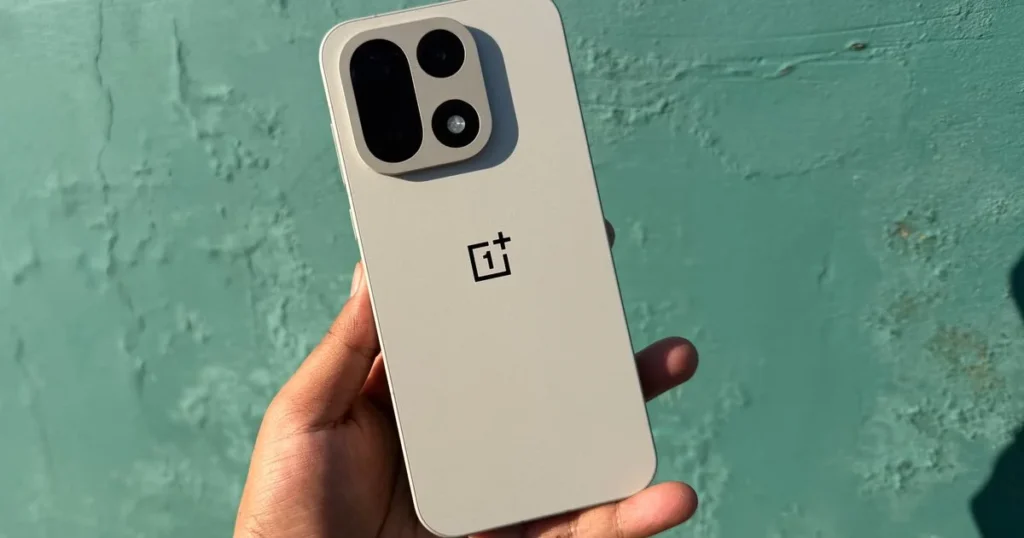
The Android skin that defined what a clean, fast phone could be is officially ending. ColorOS is what comes next.

Nadeem Sarwar / Digital Trends
If you bought a OnePlus because of OxygenOS, for the relatively clean, fast, and actually-useful Android experience, your phone may be the last one to get it.
According to a report from the Indian outlet Smartprix, OxygenOS and Realme UI are both reportedly being phased out. If accurate, everything would move to ColorOS, the skin atop Android on Oppo smartphones, globally, across all three brands.
So what exactly is happening here?
Oppo, its official subsidiary OnePlus, and Realme are all brands that operate under the same Chinese conglomerate: BBK Electronics. Until recently, they’ve operated as independent brands with different software skins. That arrangement seems to be coming to an end.
Maintaining three Android skins requires a substantial investment, and Oppo might want to cut down on it. The consolidation started quietly in 2021, when OnePlus co-founder Pete Lau announced a software merger between OnePlus and Oppo.
OnePlus retired HydrogenOS in China years ago, in favor of ColorOS. Only the brand’s global devices ship with OxygenOS. Realme UI was built on ColorOS under the hood anyway.
“OxygenOS and Realme UI are being discontinued on future devices in favor of ColorOS globally,” the outlet mentions. However, it doesn’t mention any existing OnePlus devices and whether they’ll be transitioned to ColorOS as well.
Has the consolidation already begun?
Earlier this year, the brand reportedly exited the US and European markets, with carrier partnerships in North America already unwinding. The brand’s retail presence has also shrunk significantly, with only the OnePlus 15 and the OnePlus 15R being sold through the official website.
Oppo, which has been absorbing OnePlus operationally, has reportedly already begun canceling OnePlus’s 2026 global product lineup. Sharing software and hardware platforms made the two brands structurally inseparable.
What’s happening now could be among the final steps. OxygenOS was genuinely beloved among enthusiasts, especially among the brand’s customers. The discontinuation of OxygenOS would mark the retirement of one of the founding pillars on which OnePlus was built, if and when the brand officially announces it.
For more than five years, Shikhar has consistently simplified developments in the field of consumer tech and presented them…
Apple’s iPhone Ultra could one-up the Galaxy Z Fold 7 with a bigger battery
4,883mAh total capacity, two cells, and two screens drawing power. Somewhere between „fine” and „I hope Apple’s software does the heavy lifting.”
Apple’s foldable iPhone is getting closer to its September announcement. Despite rumors of a delay, a recent report claimed that Foxconn is hiring temporary workers to ramp up production of the Ultra. Now we have a number for one of its most important specs: the battery.
I’ll be honest: when I saw the battery figure, my reaction was somewhere between „that works” and „I was hoping for more.”
Read more
The next “flagship killer” is coming from Motorola, but it may not reach the US anytime soon.
The Motorola Edge 70 Max looks great on paper, but only India is getting it on July 15.
Motorola is building the most ambitious phone in its Edge 70 lineup, but it might not be available in the United States.
Specs like a 7,000-nit display and MagSafe-style magnetic wireless charging belong in a conversation that often includes flagships, but it looks like Motorola wants to break that norm.
Read more
Your Google Voice calls just got an AI note-taker, and a cheaper price tag
Your calls just got a personal assistant, and your wallet just caught a break.
Remember when Google Voice was just that free number you used to dodge spam calls? It’s come a long way since then, and today it’s taking its biggest leap yet: letting Gemini quietly sit in on your calls and handle the note-taking for you.
How does AI note taking work on calls?
Read more